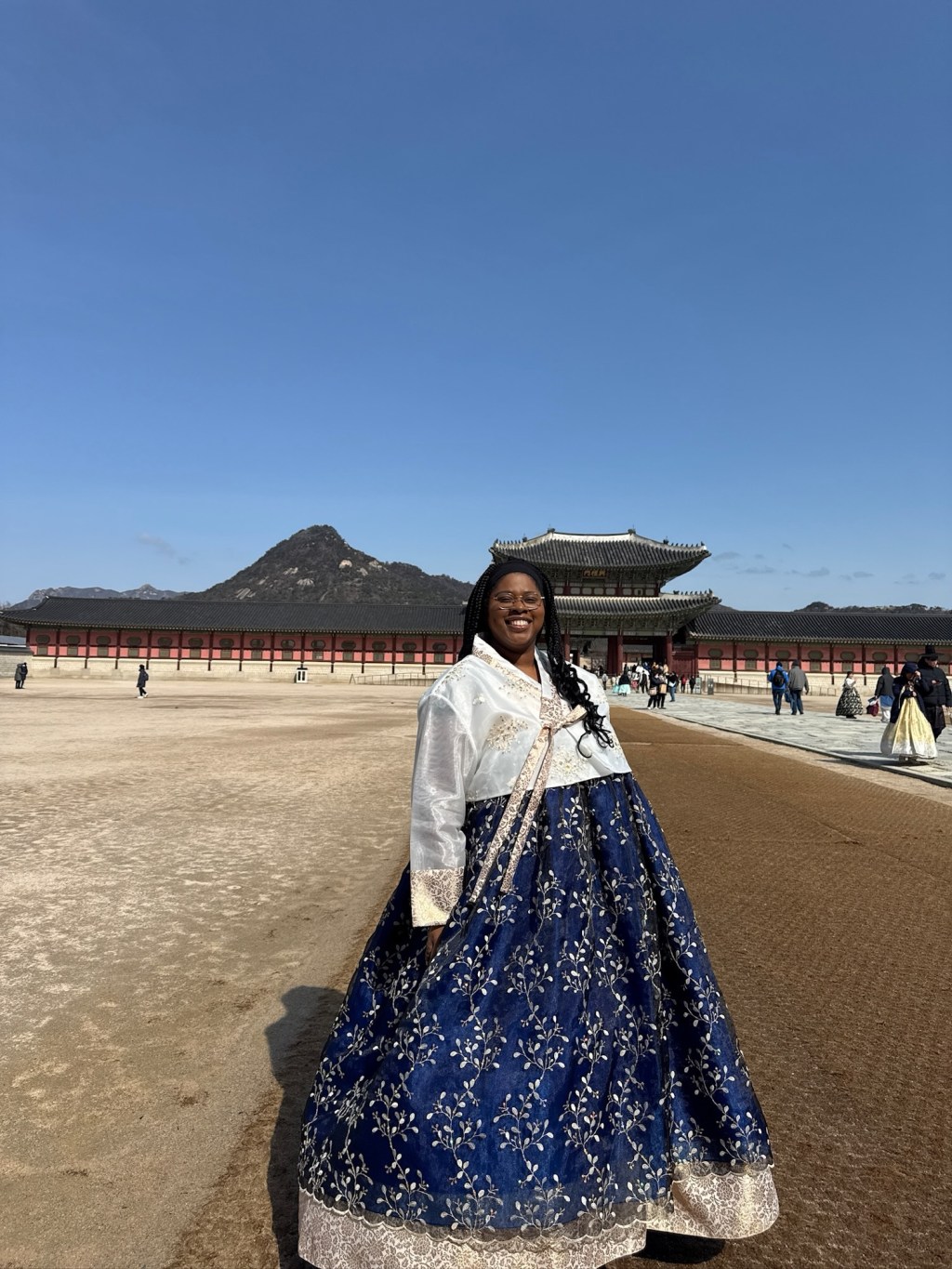
Greetings everyone! Meet Micha!
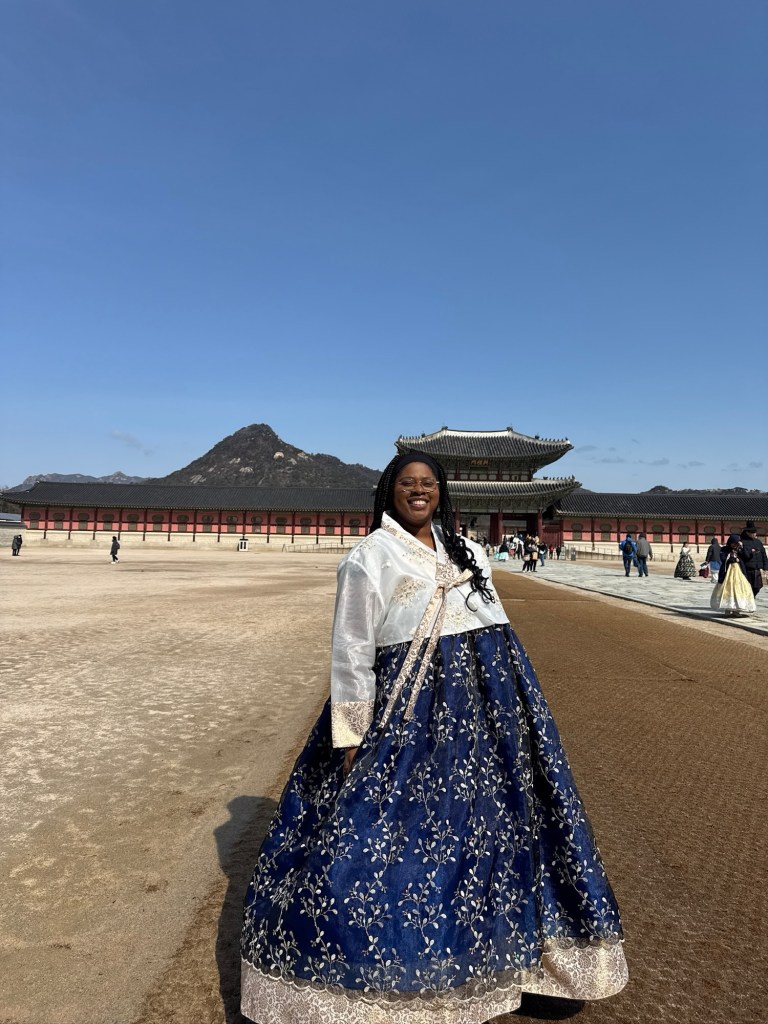
Tell me a bit about yourself and what you do.
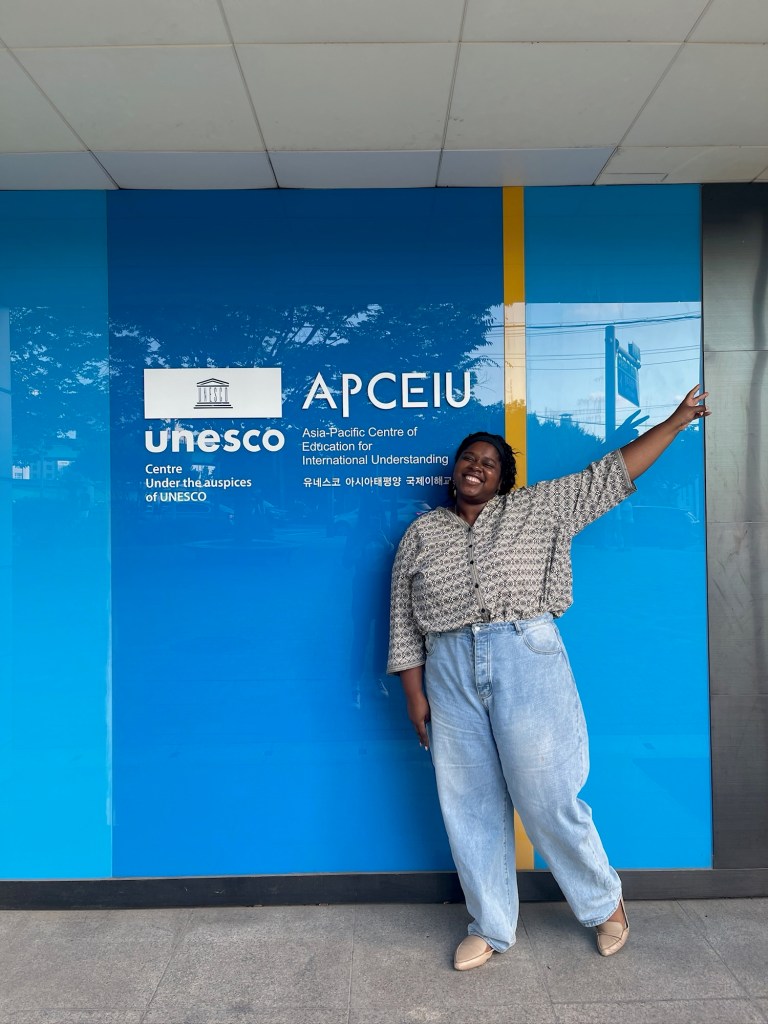
My name is Micha Aime, and I’m a 27-year-old Haitian American woman who recently spent the last 10 months living in Seoul, South Korea. During my time there, I worked with APCEIU, a UNESCO office focused on global citizenship education, while also studying Korean at Dongguk University under the Boren Awards, a U.S. Department of Defense initiative. I recently completed my coursework for my master’s in International Education, and once my Boren fellowship concludes, I plan to continue working in the field of international education.
How has travel impacted your life and how has it changed you and your career life?
If there’s one truth I’ve learned from traveling, it’s that even in places that feel foreign or vastly different, there’s always something familiar—some point of connection that bridges even the most unexpected gaps between cultures and personal experiences.
From a career perspective, travel has solidified that I’m in the right field. Working at APCEIU reinforced how much I enjoy supporting educators and other key stakeholders in tackling some of the most complex challenges in education. Seeing firsthand how education policies and cultural contexts vary worldwide has only deepened my passion for international education.
What has been your most favorite travel experience and why?
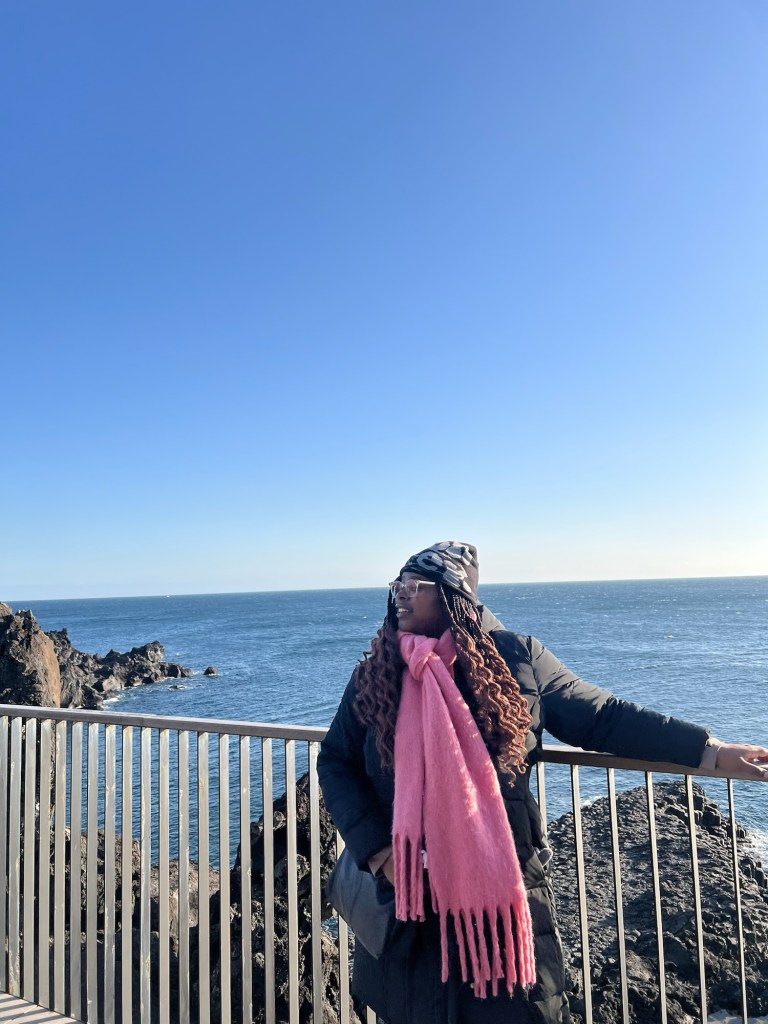
I’ve been incredibly fortunate to have so many unforgettable experiences during my time in Korea, but one that stands out wasn’t a big adventure—it was a moment of reflection. Last month, a close friend visited me in Seoul, and I played tour guide, showing him around the city. One night, we went to N Seoul Tower, sat at a café overlooking the entire city, and just talked about life—everything that had led us to that moment. I remember telling him that this was something I had once only dreamed of, something that had felt so impossible for so long. But without realizing it, I hadspent years slowly working toward this goal, even when it was just lingering in the back of my mind.
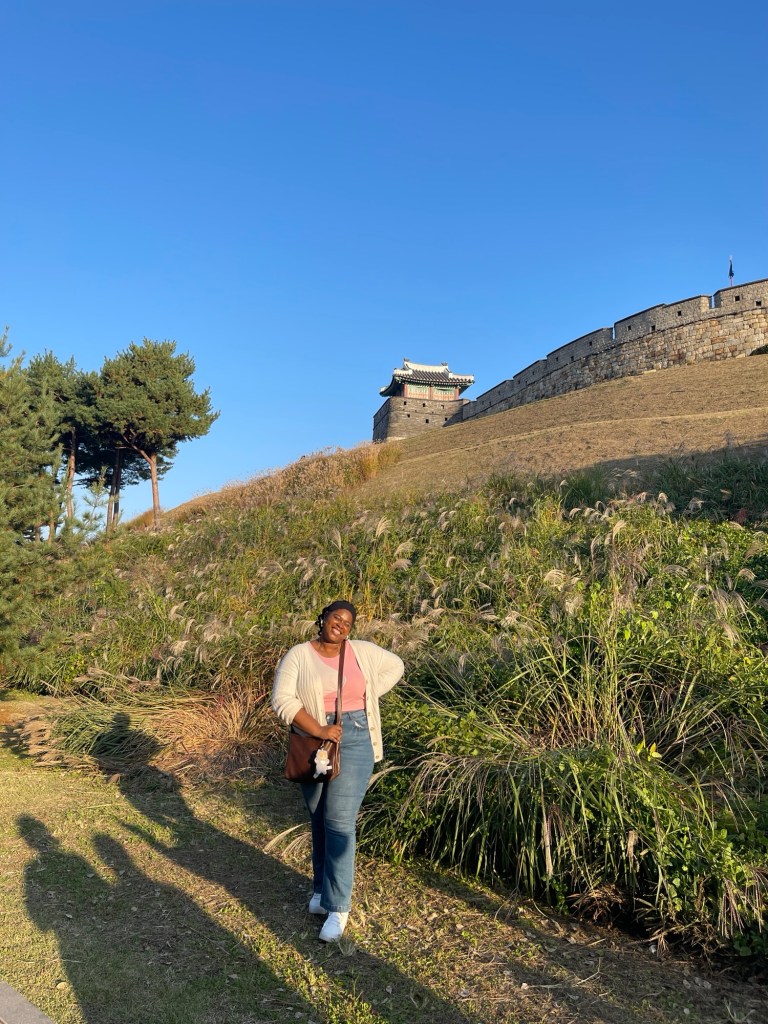
As I looked out over the Seoul skyline, I realized that I had turned the impossible into reality. And if I could move across the world and make this dream happen, then truly—there’s nothing in life I can’t do.
Do you have any tips or advice for people who want to travel more?
Prepare, prepare, prepare!
My move to Korea happened somewhat suddenly, and in the months leading up to it, I was so focused on school that I didn’t dedicate enough time to planning. At the time, I had my flight and a place to stay and figured I could figure everything else out once I arrived—and while I did, I also made things harder on myself than they needed to be. Had I taken the time to do more research, organize my finances better, and understand logistical details in advance, my transition would have been much smoother.
So my biggest advice is: don’t just wing it! Even if things seem manageable, being proactive will make your experience far more enjoyable.
Why did you choose to relocate to Korea from USA?
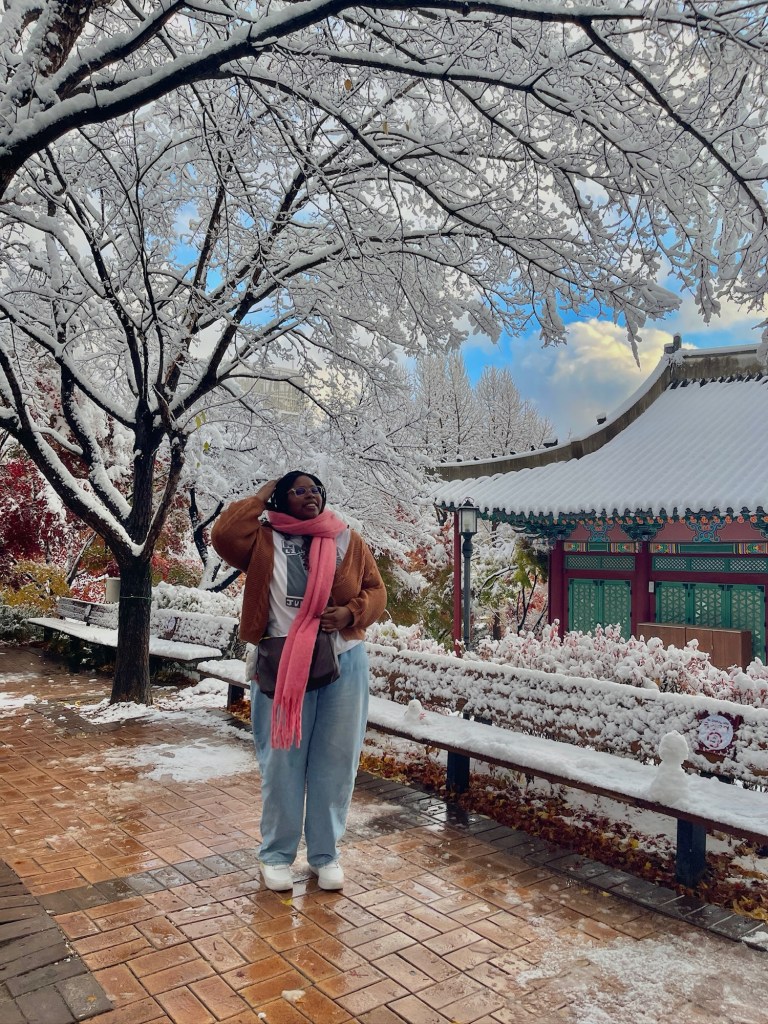
Years ago, I was a huge K-pop fan, and that sparked my initial interest in Korean culture. Over time, my passion for the music faded, but my desire to visit Korea remained.
In graduate school, I started incorporating Korea into my academic research, particularly focusing on how Black foreigners navigate the Korean education system. So when I received a scholarship from GW to work at a UNESCO office, Seoul was the natural choice for my placement—it felt like the perfect way to bring my academic and professional interests full circle.
How do people participate in the Boren Fellowship?
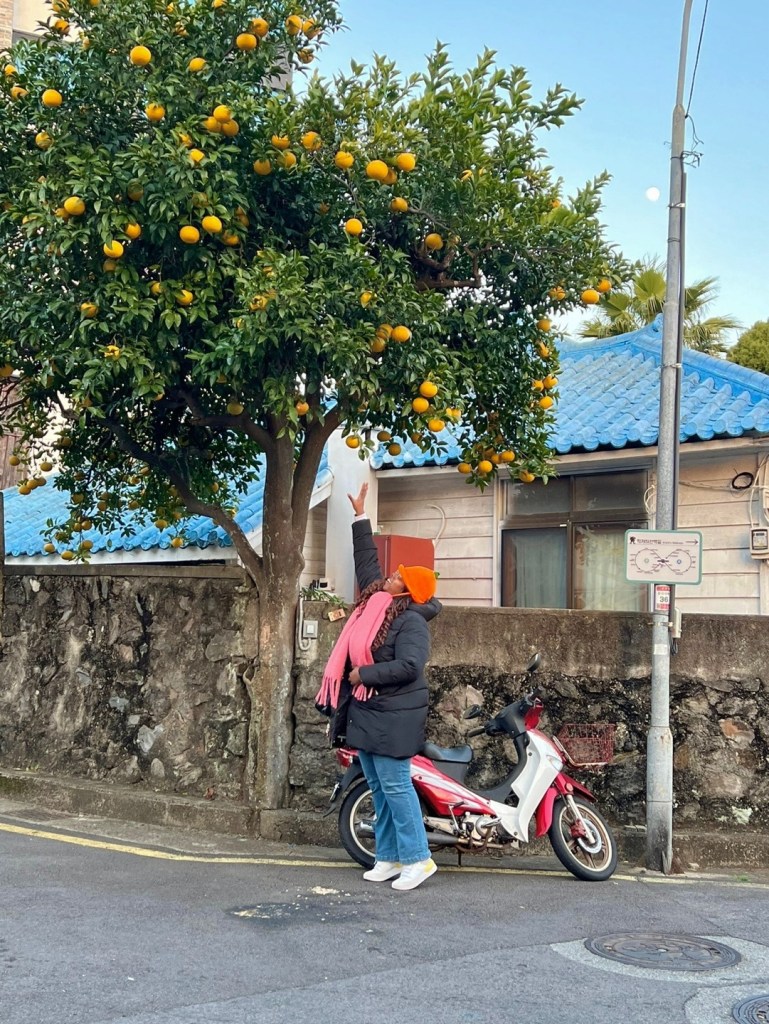
The application cycle for 2025 recently closed, but the 2026 cycle will open later this year! The main requirement is that you need to be enrolled in a university and willing to learn (or continue learning) a critical language.
For more details, check out: https:/ /www.borenawards.org/
What are the must have items in your packing list?
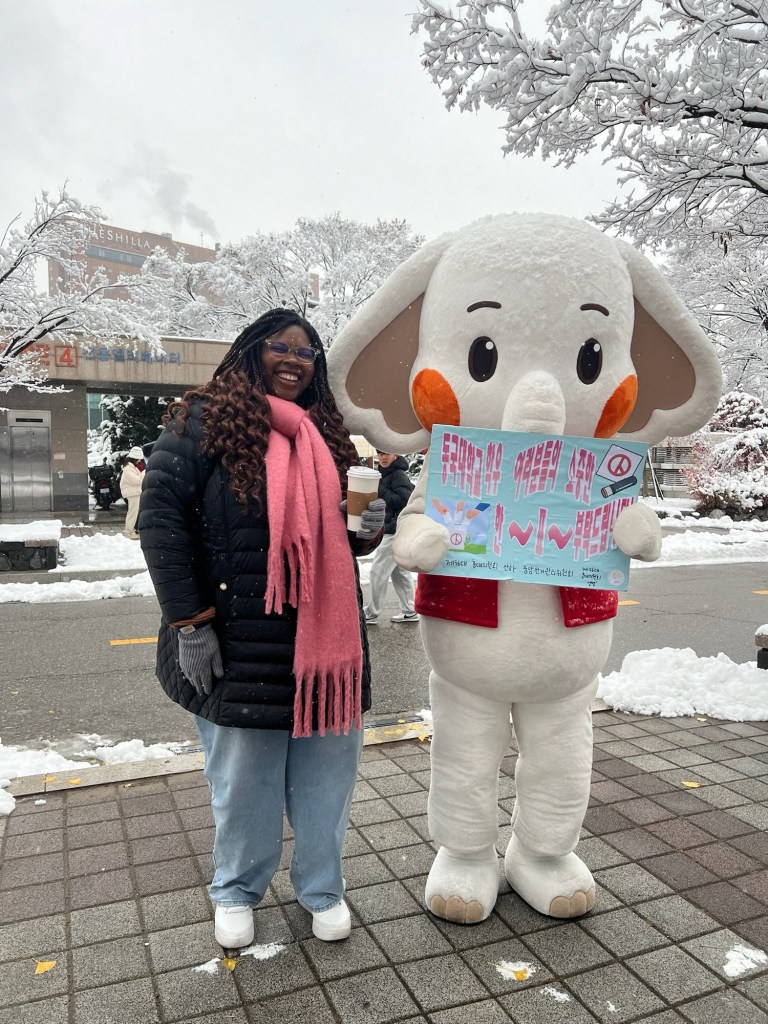
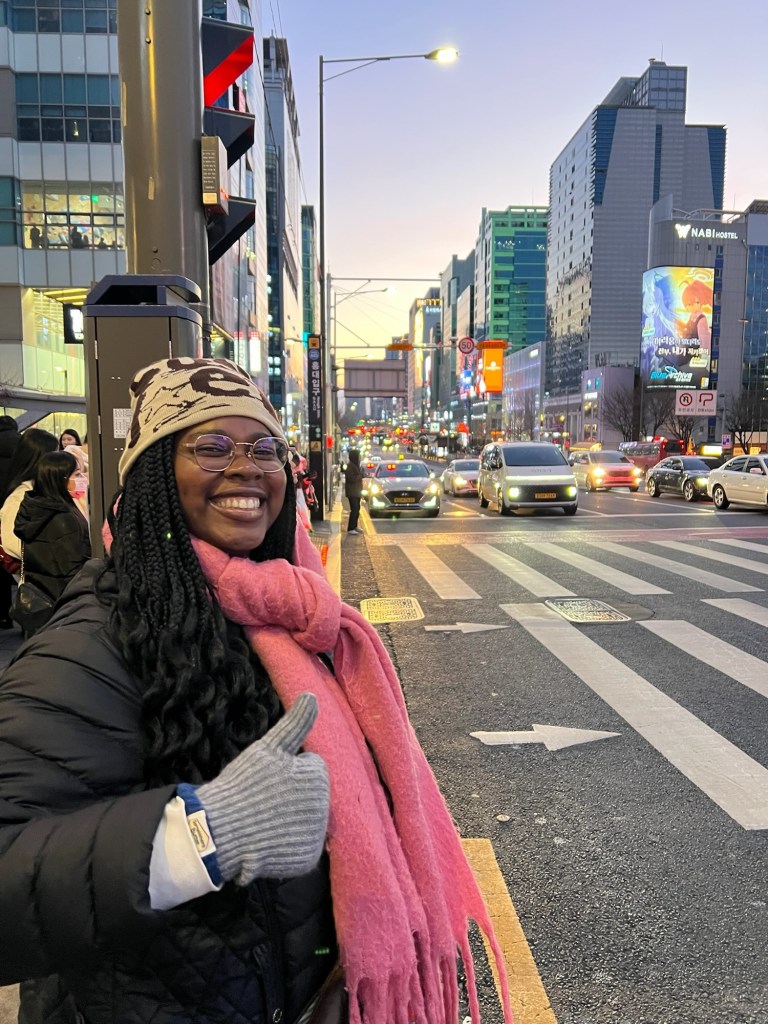
As a tall, plus-size Black woman, finding certain items in my size, shade range, or products that work for my hair can be difficult in Korea. So if you need specialized products, I recommend bringing them—but if you run out, don’t panic! There’s a thriving Black community in Itaewon and near Camp Humphreys that offers many essentials, and even Korean brands like TIRTIR have started expanding their shade ranges to accommodate diverse customers. Delivery apps and specialty salons also carry a lot of what I used back home, though at a higher price.
That said, I’d still recommend bringing everything you need for at least the first few months to avoid any unnecessary stress.
Aside from that, my must-haves include:
Electronics: Phone, AirPods, iPad, laptop, and a good VPN
Cash: Enough USD to convert to won—having cash on hand when you arrive is always helpful!
Why do you think it’s important for women to travel?
I think it’s especially important for Black women to travel.
On a general level, the world is too big, with too many perspectives, experiences, and opportunities to be confined to just one place. If you have the ability to travel, get your passport and go—there’s so much out there waiting to be explored.
Beyond that, traveling gives you a level of freedom, agency, and autonomy that can be difficult to experience in Western patriarchal societies. Living in Korea was actually the first time I felt safe. That’s not to say there isn’t violence and discrimination against women here—I still experienced harassment and uncomfortable encounters—but I was able to do things I never could in the U.S., like walking alone at night or resting in public spaces without fear of being attacked or having my belongings stolen.
For Black people traveling to Asia, I think there are a lot of misconceptions on both sides. Black people and Asians are both often treated as monoliths and subject to stereotypes, but the reality is more nuanced. A lot of Black Americans avoid traveling because of fears of racism, but honestly, the U.S. is about as bad as it gets.
In Korea, you won’t experience the deep, systemic racism that exists in the U.S. Yes, some older people might stare or reach for your hair, but that’s often rooted inignorance rather than malice—and when you express discomfort, most will apologize. In my experience, most Koreans are simply curious, excited to practice English, and eager to hear about your lived experiences.
For Black women who face layered challenges, traveling is even more important. And I think Korea—and many other Asian countries—are fantastic places to explore.
Where can people follow your travel journeys?
You can follow me on Instagram: @micha.nda


Leave a comment