Hey everyone!
I have not made a post in about a month and it’s because I’ve been super busy lately, but I am leaving Central America and want to make a reflection post on my experiences here.
First of all, working and living here in any capacity is not a thing I would recommend for non advanced Spanish speakers or those with at least a minimum level of knowledge.
Most of these countries require a basic level of understanding to just get by from day to day.
It definitely has strengthened my Spanish skills being here.
I don’t think that I would have been challenged like this in Spain, or even in Mexico.
Central American countries have very little to no English language learning experience.
If they do, it’s very recent, as in the past ten years or so.
The majority of the people are struggling with access to education, and that affects everything here in everyday life. That’s the history here.
So for example, if I am just needing a simple taxi to get around, I have to use some translation into the local understanding of where locations are, even for uber.
Recall that I mentioned there is not a single train system here.
It’s not like Europe or Asia where you have trains that connect you to other cities or countries. It’s shuttles only.
So if there is no singular infrastructure system, shuttle companies can do what they want and charge accordingly.
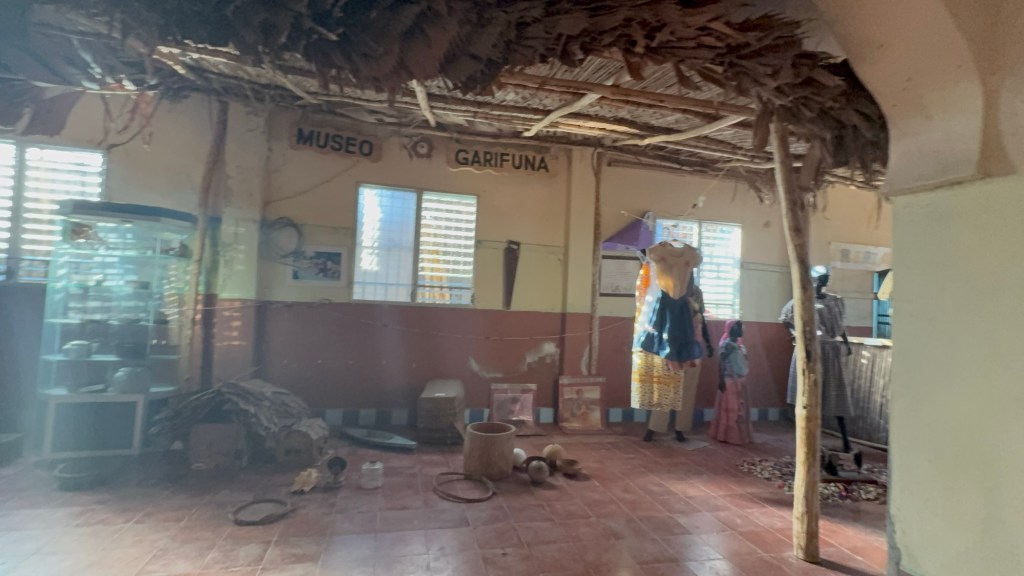
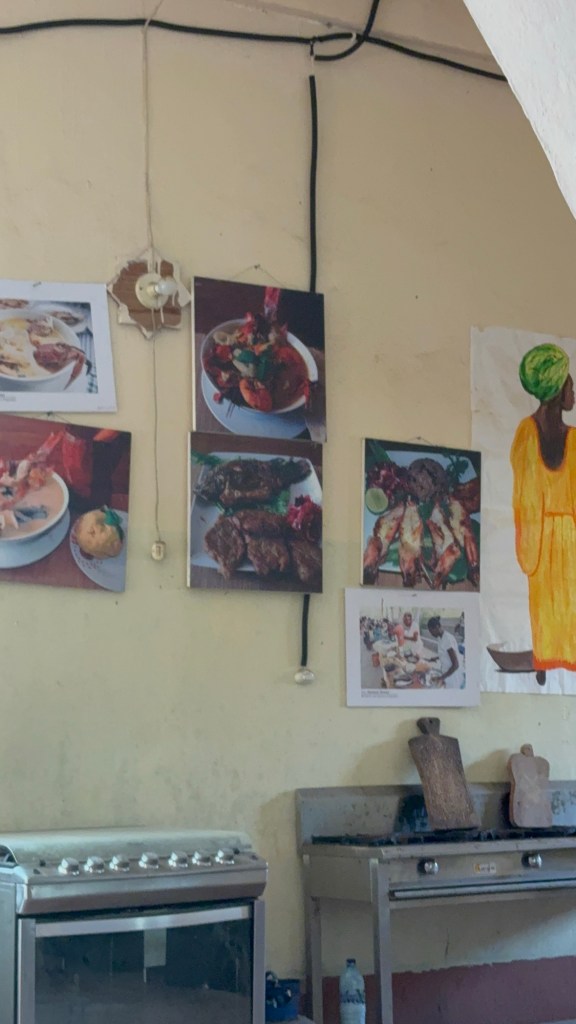
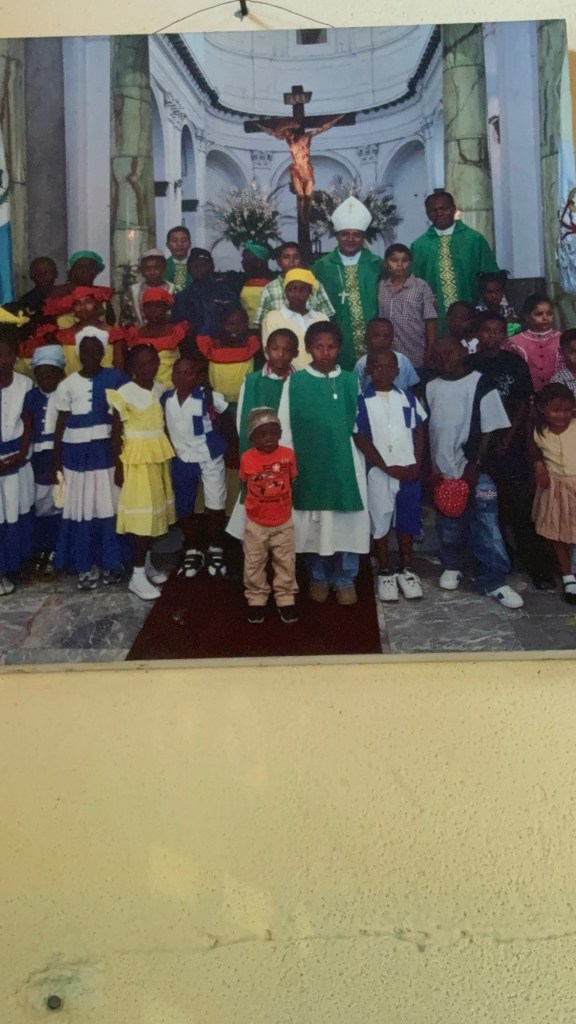
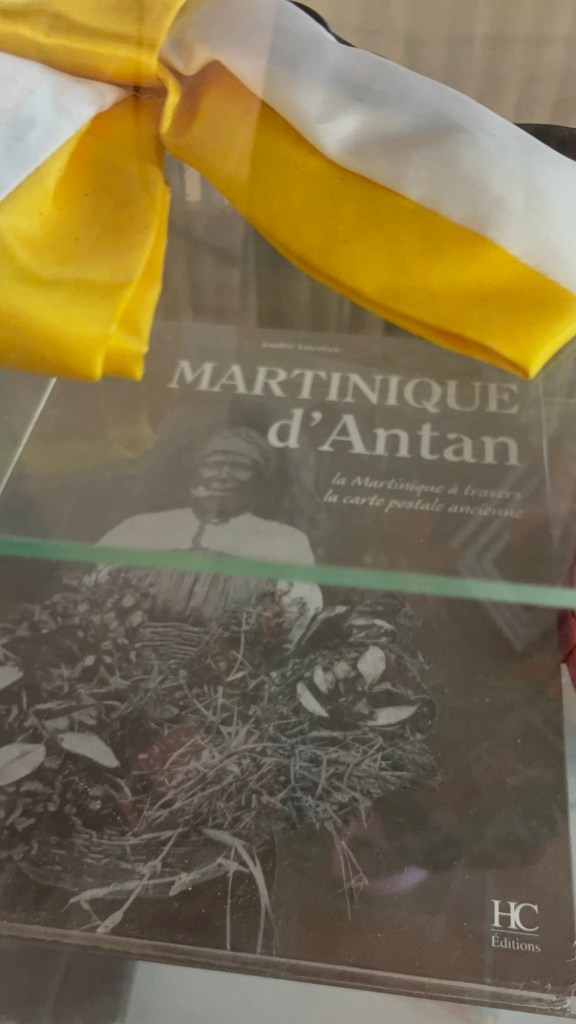
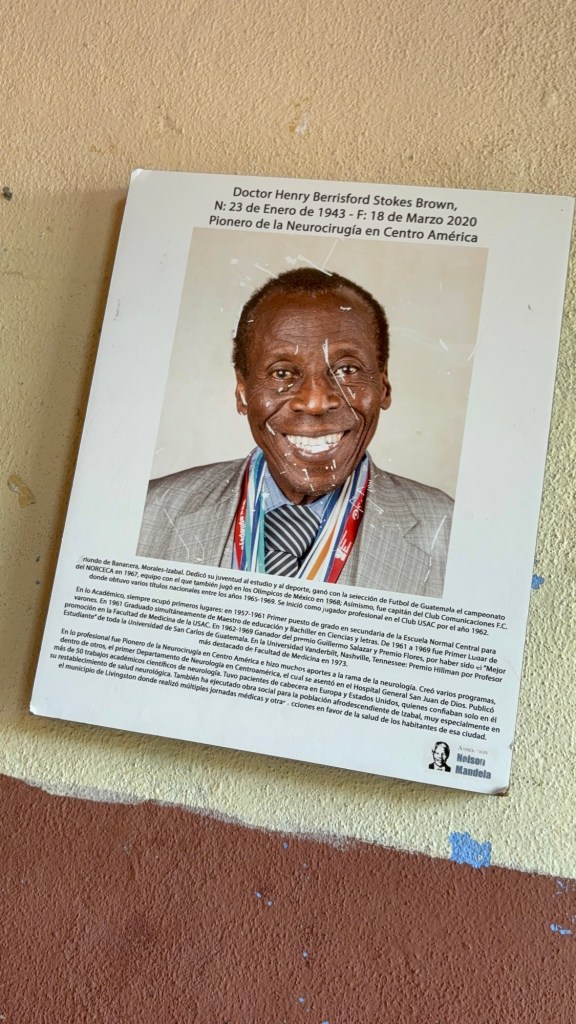
I arrived in Puerto Barrios Guatemala to cross borders, and to visit Livingston Guatemala with the Garifuna community of Guatemala, and to visit their musuems and schools as I did in Honduras.
They speak Garifuna here and live off the coast in the regions of Puerto Barrios and Rio Dulce. They speak the language of Garifuna which is a mix of Spanish, French, and English.
I was supposed to have a shuttle service named Ronney’s shuttle pick me up from Guatemala to take me to Honduras for $50, and they were supposed to pick me up at 8. I waited until 12 pm, but the shuttle never came to get me.
Due to their incompetence, I literally had to cross the border by feet, from Guatemala to Honduras and take a bus into Puerto Cortes from Puerto Barrios last week of February.
To be clear, Honduras is by far the most dangerous country to travel in Central America.
So this was a risky situation.
They blamed it on the traffic, but understand this is normal.
You can pay for services here and not receive them, daily.
Also for payments, some take card but most countries here have cash-only businesses.
Again, it affects every day life.
Because if the cash machine is broken, or they don’t take foreign cards, you’re out of luck if you don’t know a local.
Let me state that I have been supported by locals who are friends and family of friends of mine my entire time here.
They have helped immensely.
Without that, I would have been stranded a while ago.
I know many volunteers and foreign teachers that have come here with little to no Spanish skills and struggled immensely more than I have.
This being said, I have found that it’s been easier to just hire an assistant to support me as I travel through the region and help me get around and navigate the regions I have found myself in. I would recommend this for anyone planning to stay here long term. Hire a local assistant, it will make your life a lot easier.
Also my work here addresses this, because I’ve been doing work with students from these regions since I was in DC.
Growing up in Miami , I know that a lot of my friends and students in US are first in their families to speak English and they are the family translators.
I’m doing the work here of helping to support these students work getting abroad and once they get abroad with the information needed to support themselves overseas.
It’s very difficult work to do because these families are not educated, that I work with.
So their children are struggling to find opportunities, due to the lack of education about what’s available to them.
Scholarship wise, I’ve been working with SHECAN organization and Junior Achievement to help them with finding scholarship programs.
These programs also offer mentorship, which is needed as these students are the first in the family to leave the country.
This being said, convincing the families that they should allow their students to go overseas for work and study has been difficult, as they don’t fully comprehend how scholarships and sponsorships work and how this can benefit them.
So what I’ve been aiming to do is to educate students and families, as this is a very family focused culture and the students are very close to their families, which is why they take their full savings and school funds and give it to their siblings, and to their extended family members, which puts them in financial crisis situations overseas.
Helping students to give the support needed but also teaching them about meeting their own needs is not the custom of the culture here.
I see the similarities within my own African roots and immigrant family dynamics.
Like they say on planes, you have to put your safety first and then help others beside you. This is new territory for my students, and they will be spending the rest of their lives learning this important lesson.
Lastly, traveling to countries that are being affected by the political decisions of my own government, was an intentional decision I made.
I have had to navigate through Central America conscientiously and with caution, but I made it happen.
I have faced adversity, but also had a lot of fun adventures.
I’m glad I could use my passport privilege these past few months to support in international education.
I hope that my journey will inspire others to do the same.
Thanks for reflecting with me!
Until the next adventure,


Leave a comment