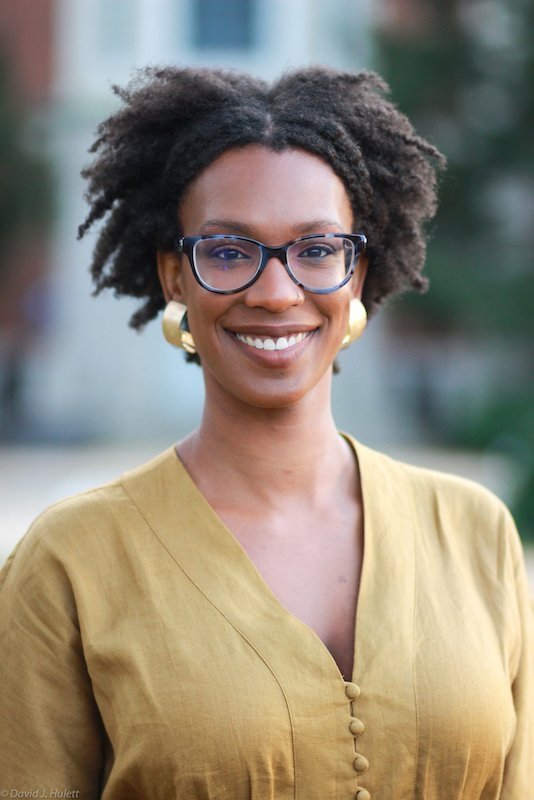
Dr. Ashleigh Brown-Grier is a Fulbright U.S. Student researcher, at the University of KwaZulu-Natal, where she is studying South Africa’s Historically Black Universities (HBCUs). She is the founder and CEO of international HBCU Xchange (iHBCUx), Inc., a 501(c)(3) organization
focused on increasing HBCU student participation in government-funded international exchange programs. Dr. Brown-Grier’s research focuses on internationalization at Historically Black Colleges and Universities (U.S.A.), international education, and higher education policy. Her dissertation, Understanding the Academic Transitional Experiences of International Students Enrolled at HBCUs During COVID-19, focused on understanding inequities that international students faced at HBCUs during the pandemic. Ashleigh has published several articles and book chapters on
study abroad, international students, and HBCUs.
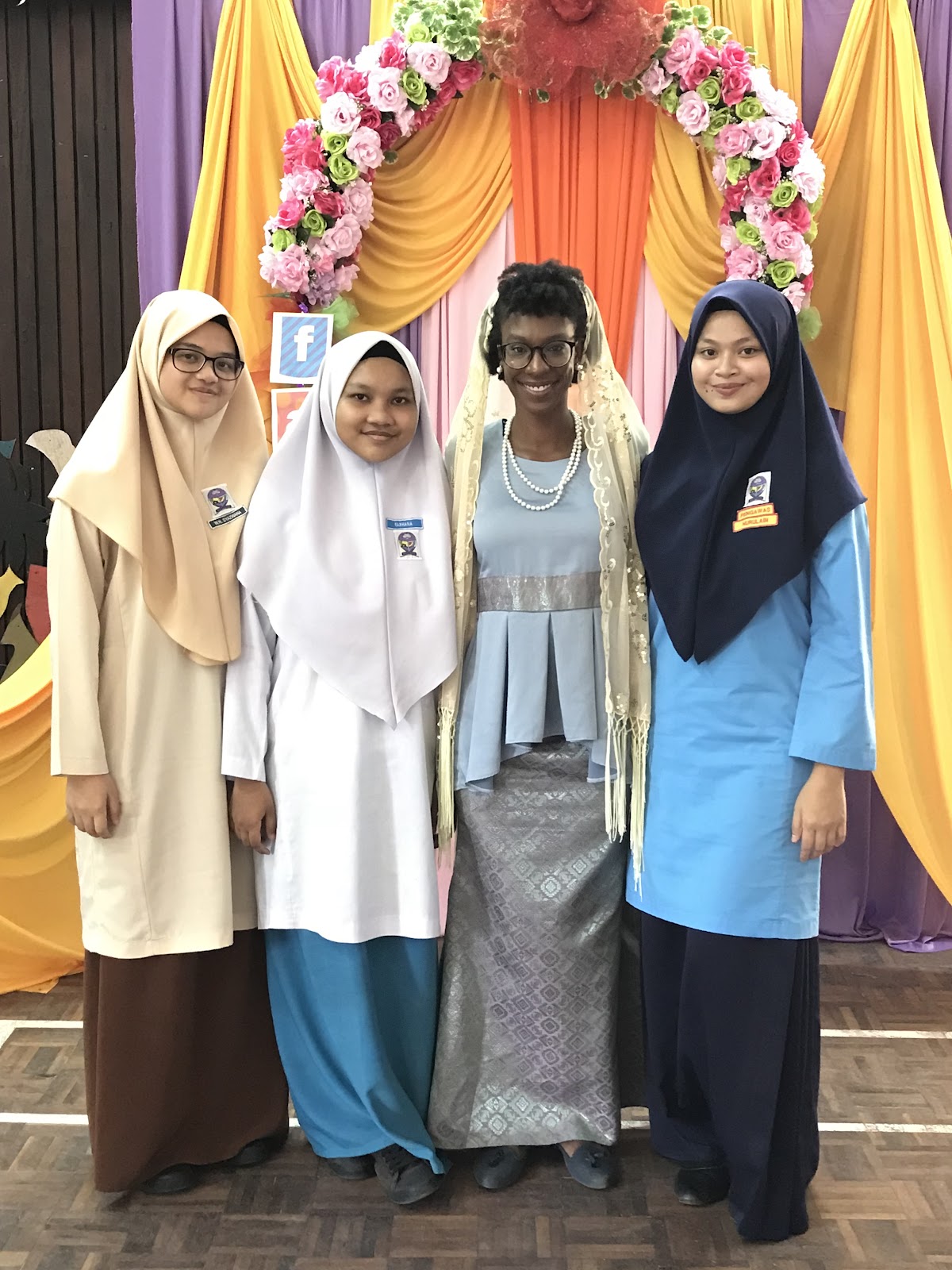
- Can you tell us a little about yourself and what inspires you to travel? I was born in Atlanta, GA, and raised by my grandmother in Mobile, AL. My grandmother, a retired elementary school teacher, was instrumental in allowing me to explore different cultures. While we weren’t able to travel abroad, she used her creative lesson planning to design activities that allowed me to learn about different countries and cultures. My first experience abroad was in 2013 when I studied Italian opera in Pisa, Italy. For one month, in between voice lessons, I explored Pisa, Lucca, and Rome. I built a community with local singers, some of whom, I still follow on social media. This single experience led to my desire to travel the world. I don’t think there is one thing that inspires me to travel but I would say my desire to learn about other cultures, interact with the community, and see beautiful scenery never hurts, lol.
- How has travel impacted your life and how has it changed you? Living abroad has completely changed my life and my worldview to an international one. It led me to pursue a Ph.D. in higher education focusing on internationalization at HBCUs. My inquiry has led me to conduct a study on Historically Black Universities in South Africa. Living in Malaysia and South Africa allowed me to respect others regardless of their culture and beliefs. I enjoy traveling and learning about the country, communities, and people there. I also founded a nonprofit organization that informs HBCU students about international exchange program opportunities available to them.
2. Where was your most recent travel experience and what did it teach you?
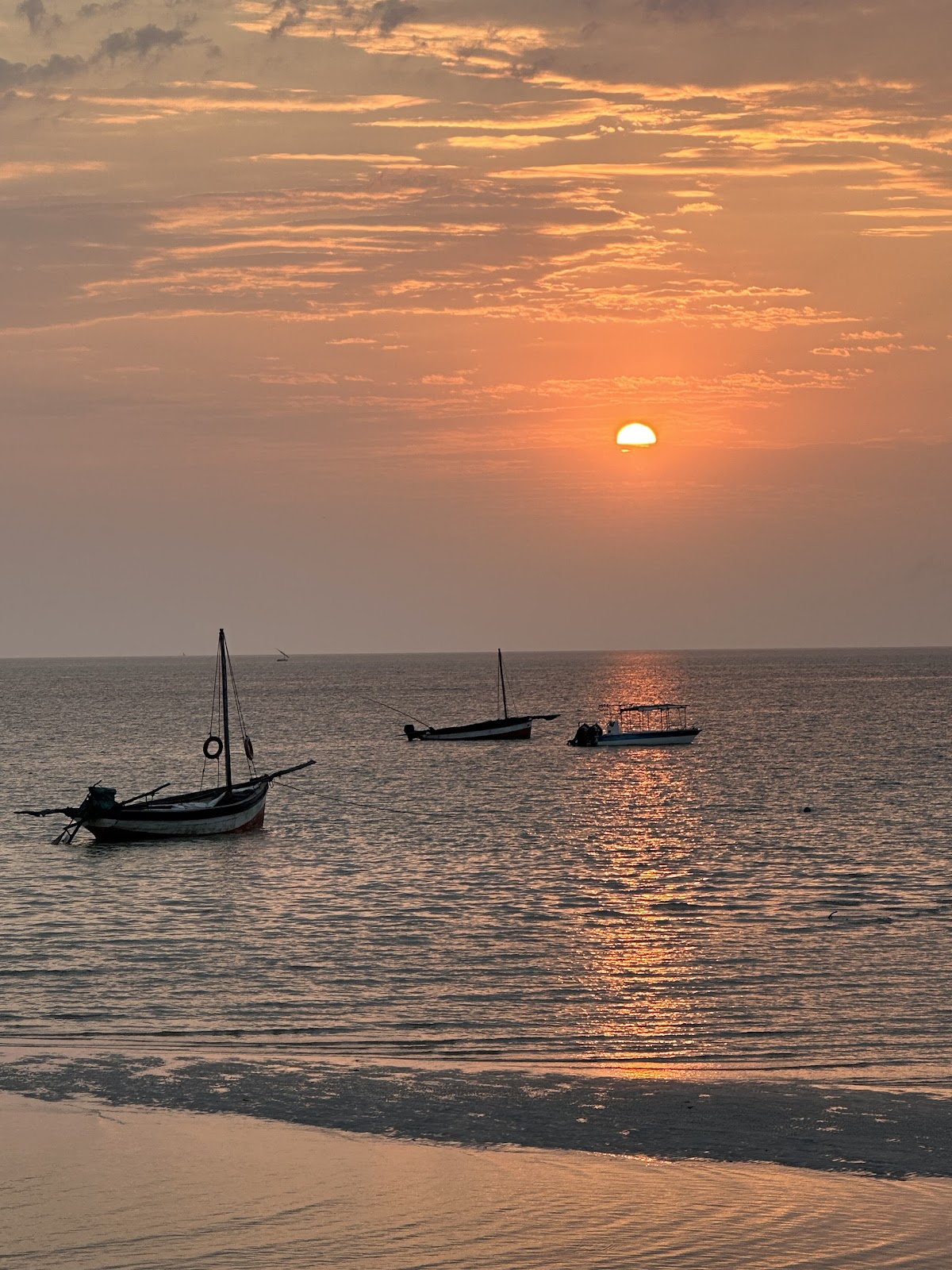
I am currently living in South Africa and I recently traveled to Mozambique– specifically Maputo and Vilankulos. Vilanculos is one of the most beautiful places I have ever visited. I was able to unplug from the hustle and bustle of daily life. While there, I experienced Unbuntu. Ubuntu means I am because we are. Every morning, I watched as the fishermen loaded their boats with fishing equipment and sail out to the ocean. Around noon, the local women would come to the beach with buckets on their heads and meet the fishermen at their boats. Some how, they distributed the fish and each woman sat and cleaned the fish. After cleaning the fish, they would place them in their plastic buckets, put them on their heads and head to the market to sale their catch. It was a beautiful site to see and really drove home the meaning of Ubuntu.
3. What has been your most favorite travel experience and why?
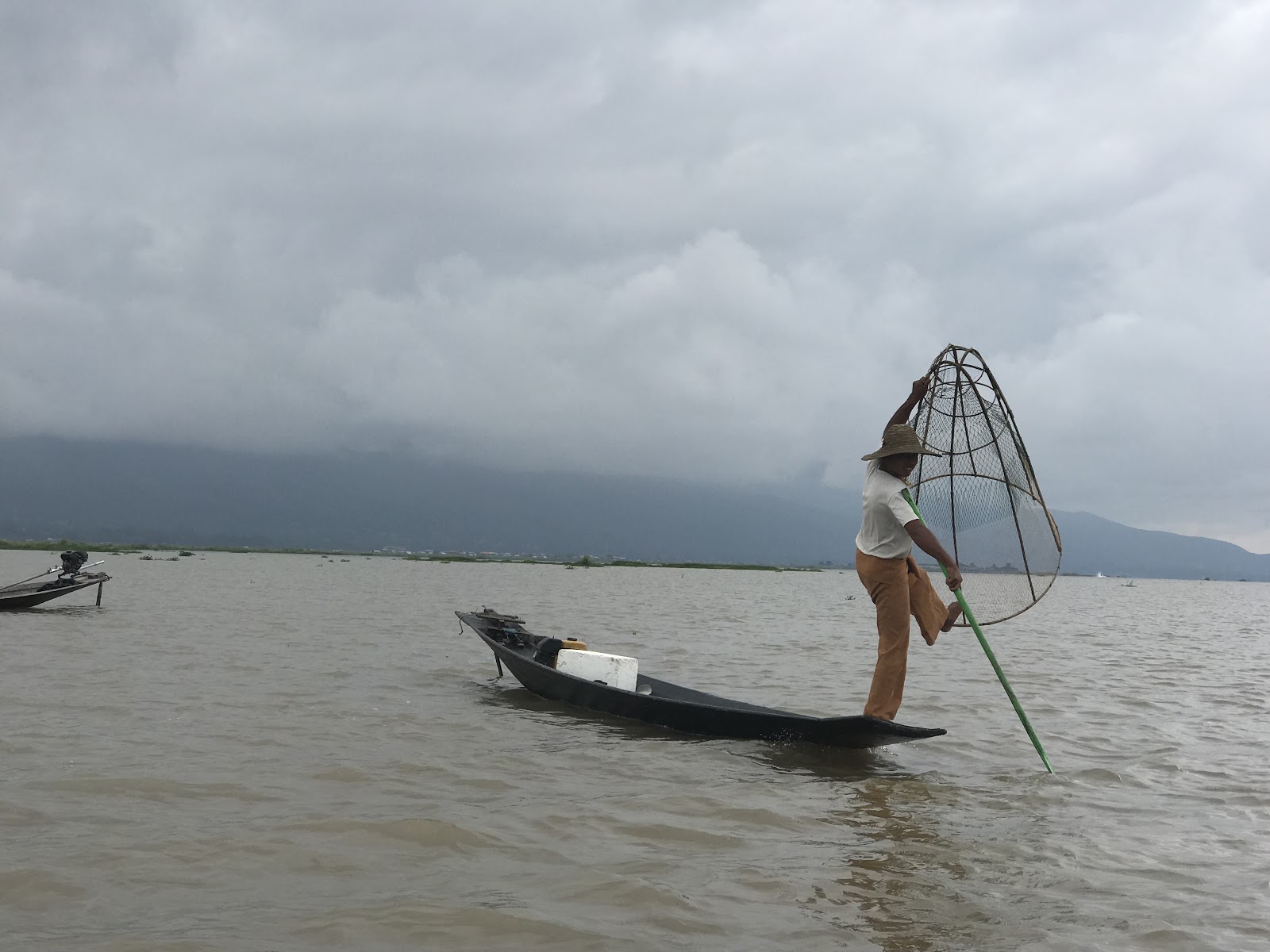
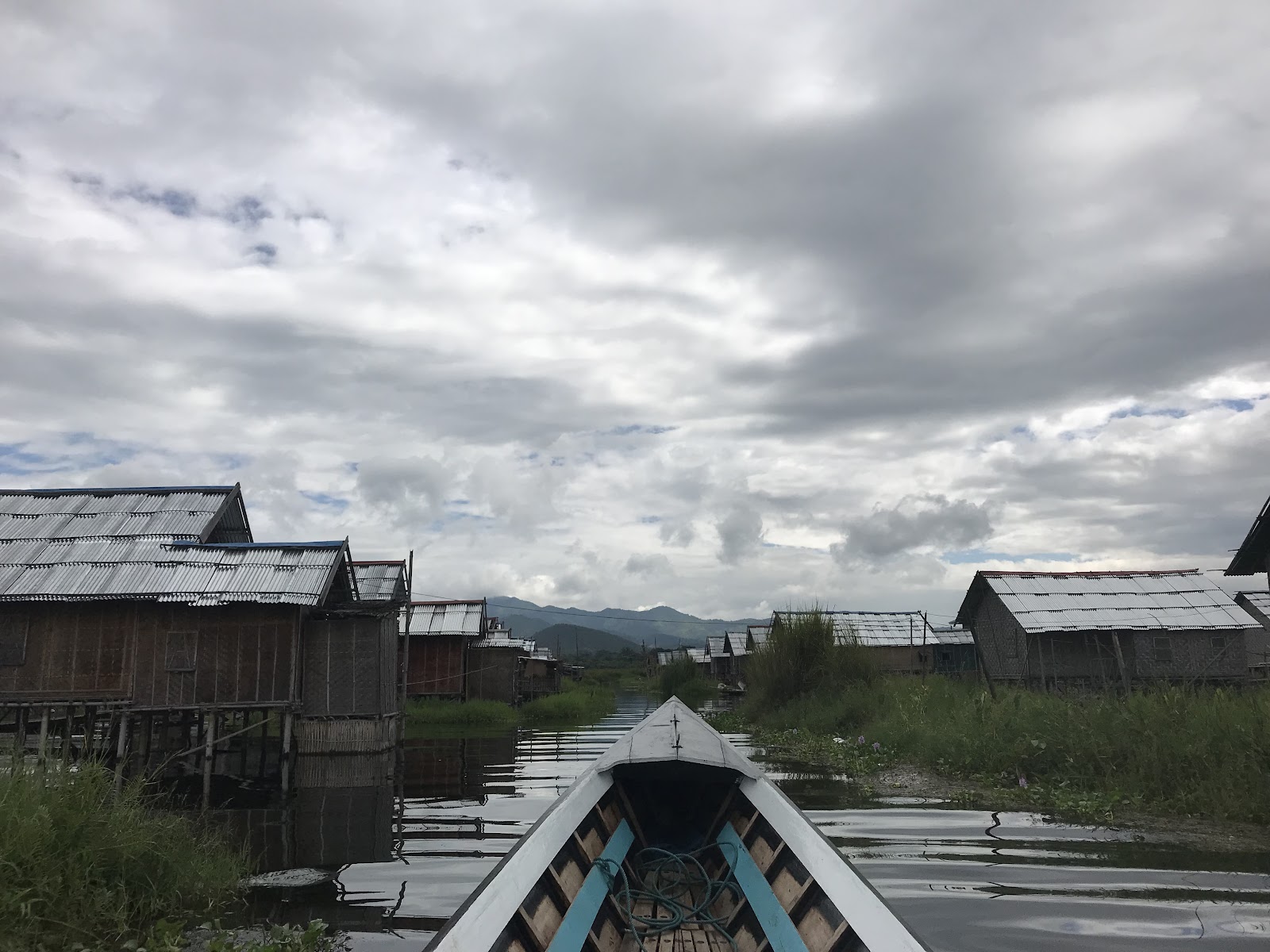
My favorite travel experience was my trip to Yangon, Myanmar. I visited in 2017, when I lived in Malaysia. Historic temples were scattered across the city, some were hidden behind trees or off the main road. One of my favorite memories was climbing a few of the temples and watching the sunset on top of one. We also visited a water market and watched as people navigated, via boat, from their homes to the mainland in Yangon. Many of these people fished and it was really cool to watch the fishermen use their feet to catch fish (I’ll insert a picture to help visualize this).
4. Do you have any tips or advice for people who want to travel more?
- This biggest piece of advice is be willing to step outside of your comfort zone. Understand and respect that some of the luxuries we are used to in the United States may not be available when traveling. As such, it is necessary for you to make adjustments.
- Always be willing to learn something new about the country you are traveling to. The best history lessons or cultural information come from the locals. I’d go as far to say that my Uber drivers have been the best ones to chat with and to learn from.
- Be willing to go off the beaten path. Meaning, take some time away from the tourist things. Enjoy participating in local activities (Safely).
- Prioritize your safety. This should be first. Make sure to sign up for the U.S. State Department’s SMART program. Always share your travel itinerary and location with a trusted family member or friend. I also carry mace (if its legal in the country you are in) for protection.
5. What are the must-have items on your packing list? 2 photocopies of my passport, extra passport photos for visas, medication, a travel pillow, Emergency contact information, and duvet cover (for sleeping in questionable places like airport), Charles Schwab debit card (no foreign transaction fees and ATM fee reimbursement), travel charger, and download a good playlist for the plane ride, hand sanitizer, wipes, for ladies panty liners (for long flights).
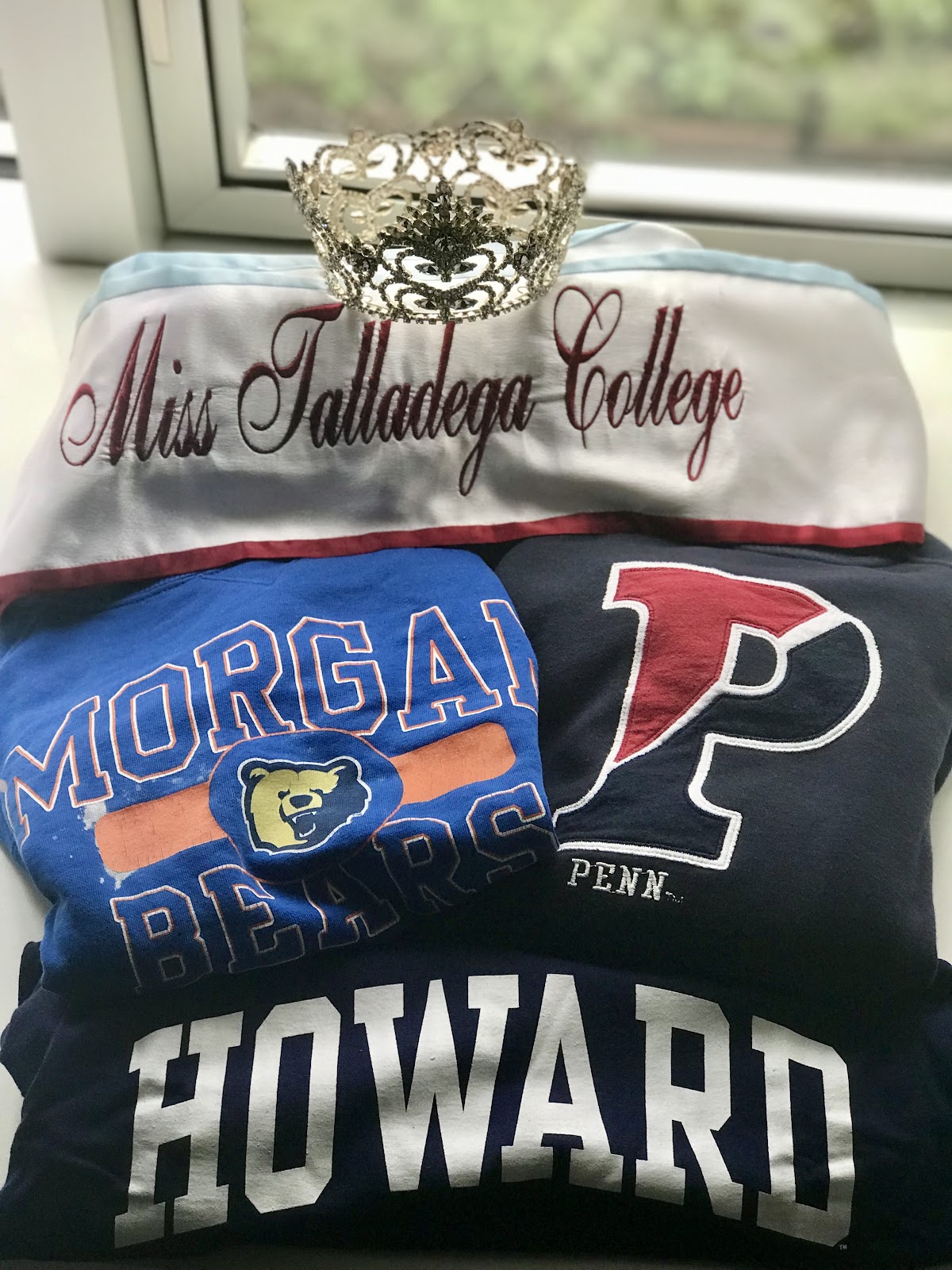
6. How did attending an HBCU impact your life? I am a graduate of three HBCUs (Talladega College, Morgan State, and Howard) and an Ivy League (UPenn). As an undergraduate student at Talladega College I served in several leadership capacities including Miss Talladega College, Miss Junior, Miss Freshman UNCF, and Secretary for the Chi Chapter of Alpha Kappa Alpha Sorority Inc. Talladega College helped me set the foundation of the leader and person I am today. It was at these institutions that I built the confidence and wherewithal to seek out opportunities that allowed me to explore the world. My experience as a student at three HBCUs led me to pursue a career field that centers them and their existence within the realm of internationalization. When looking for a Ph.D. program, it was important for me to find a space that was “comfortable” allowing me to explore and develop in my area of interest. #HUyouknow
7. Why do you think is it important for black women to travel?
Black women need to travel because it allows us space to explore our identity outside of the daily life of the American hustle and bustle. In both of my experiences living abroad, I found myself gaining skills and doing things I could have never imagined. One thing that has stuck out the most in my travels is the thought that Black people don’t exist in the United States or that people think we are Immigrants. I’ve traveled to 16 countries and even though people see Black people in movies, the erasure of Black Americans is real. As we travel and live abroad we can share our stories and let people know that we do exist!!!!
- My nonprofit, international HBCU xchange Inc. focuses on increasing Black and HBCU student participation in government-funded international exchange programs. Currently, regardless of race and gender HBCU students are less likely to participate in federally funded exchange programs in comparison to those at PWIs. The program provides knowledge and awareness about internal exchanges through workshops and panel discussions.
- I also have a consulting business that assists students with federal fellowship program applications.
9. In your own words, what is the legacy of HBCUs?
The legacy of HBCUs is community a sense of Ubuntu (I am because you are). HBCUs exist because of racial segregation and they survive because we continue to pass the torch of knowledge, truth, and success.
10. Where can people follow your travel journeys?
My travel journeys can be followed on my IG and TikTok @globe_aleigh


Leave a reply to Mommy Cancel reply